
OUR CURRENT TRANSPORTATION SYSTEM IS BROKEN
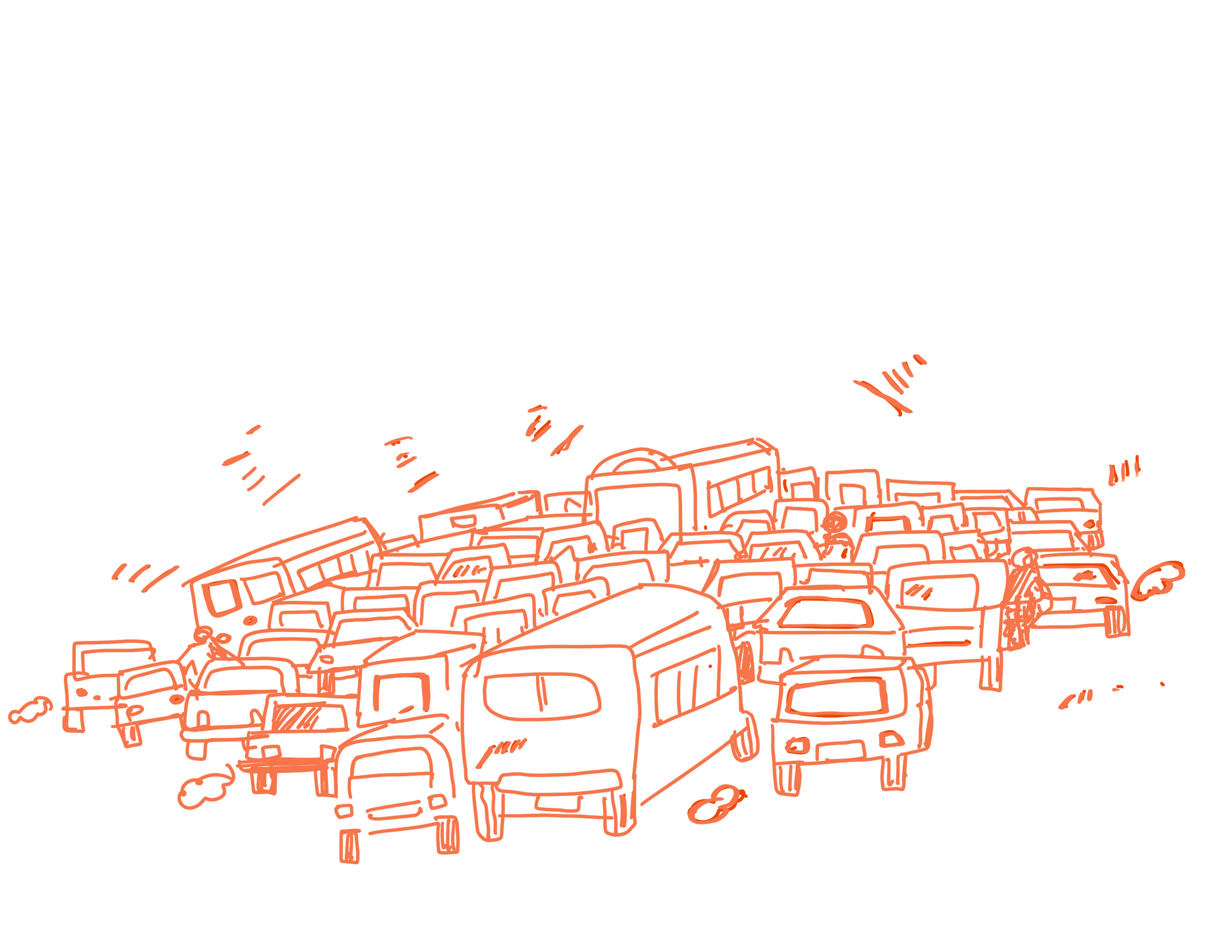
America's transportation system was built around the car, limiting mobility alternatives. This has created a range of economic, social, and environmental challenges that plague Americans daily.
-
Transportation is the second-largest household expense among Americans today, and those who cannot afford a car can be locked out of economic opportunity. Even those who do own cars often can’t afford them: roughly one in four Americans are in auto debt, while auto loan delinquencies for subprime borrowers (those with lower credit scores) are at the worst levels seen in three decades.
-
Car crashes are the leading cause of death for US teens. Road rage has turned routine commutes into flashpoints for violence, with gun-involved incidents nearly doubling since 2019. And by isolating travelers in private vehicles, car dependency is quietly fueling America’s loneliness epidemic.
-
The transportation sector accounts for 28% of total US greenhouse gas emissions, making it the country’s single largest source of carbon emissions and a major contributor to toxic air pollution.
MICROMOBILITY REDUCES CAR DEPENDENCY
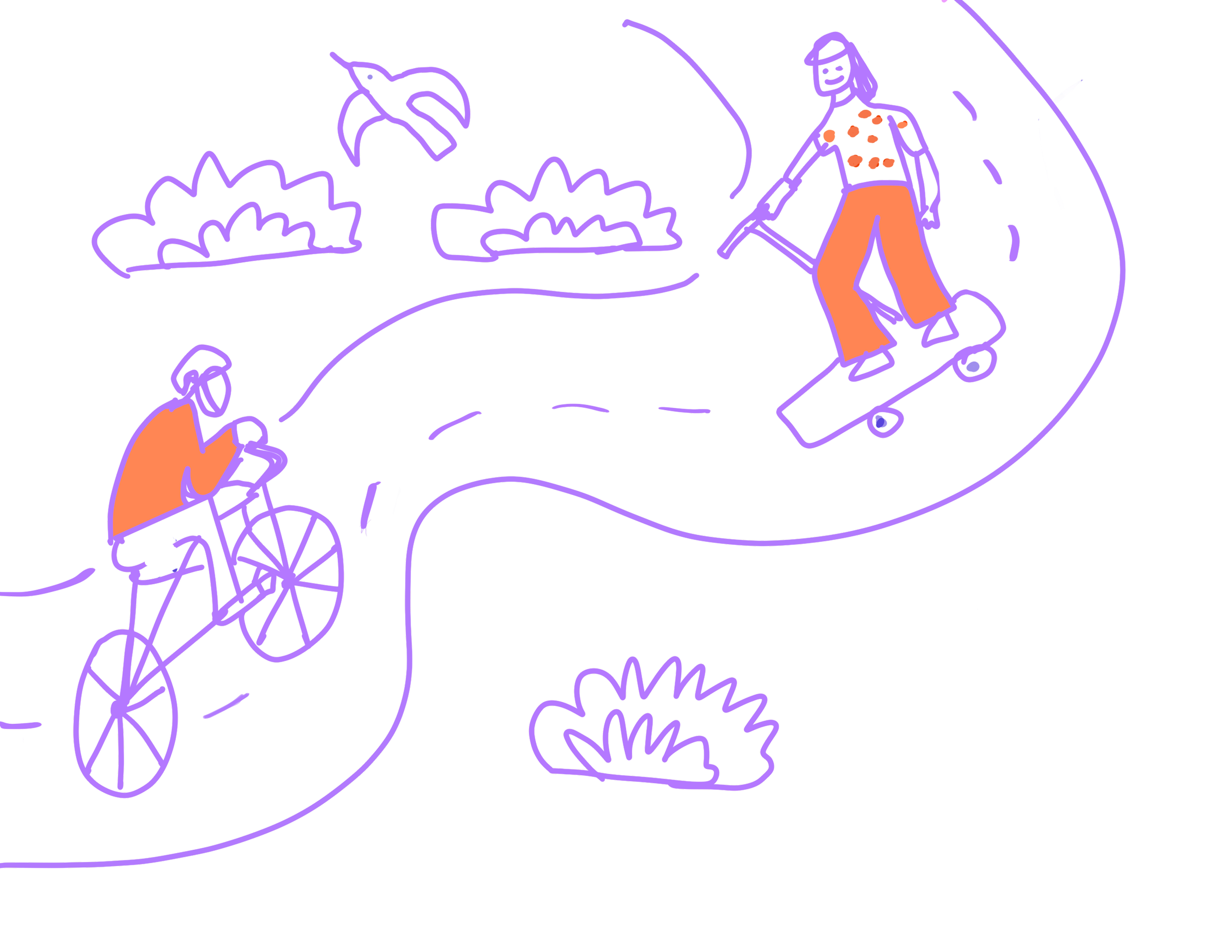
Americans are more likely to skip the car when alternate options are convenient and safe. And given that half of all car trips are under three miles, e-bikes are emerging as a key transportation mode to replace these drives.
For the 10 US states with the highest transportation emissions, replacing a percentage of short car trips with e-bikes would save residents more than $11.5 billion over the next decade through reduced fuel and maintenance costs. It would reduce the need for more than 3.3 billion gallons of gas, and could save nearly 32 million tons of pollution.
If we fail to invest in safe, well-regulated micromobility, we will lock in car dependency for another generation. For micromobility to reach its full potential in US cities and empower more Americans to live car-free, we need the right policies. That’s where Next Mile Coalition comes in.
OUR LEGISLATIVE PRIORITIES
1. Invest in robust infrastructure
-
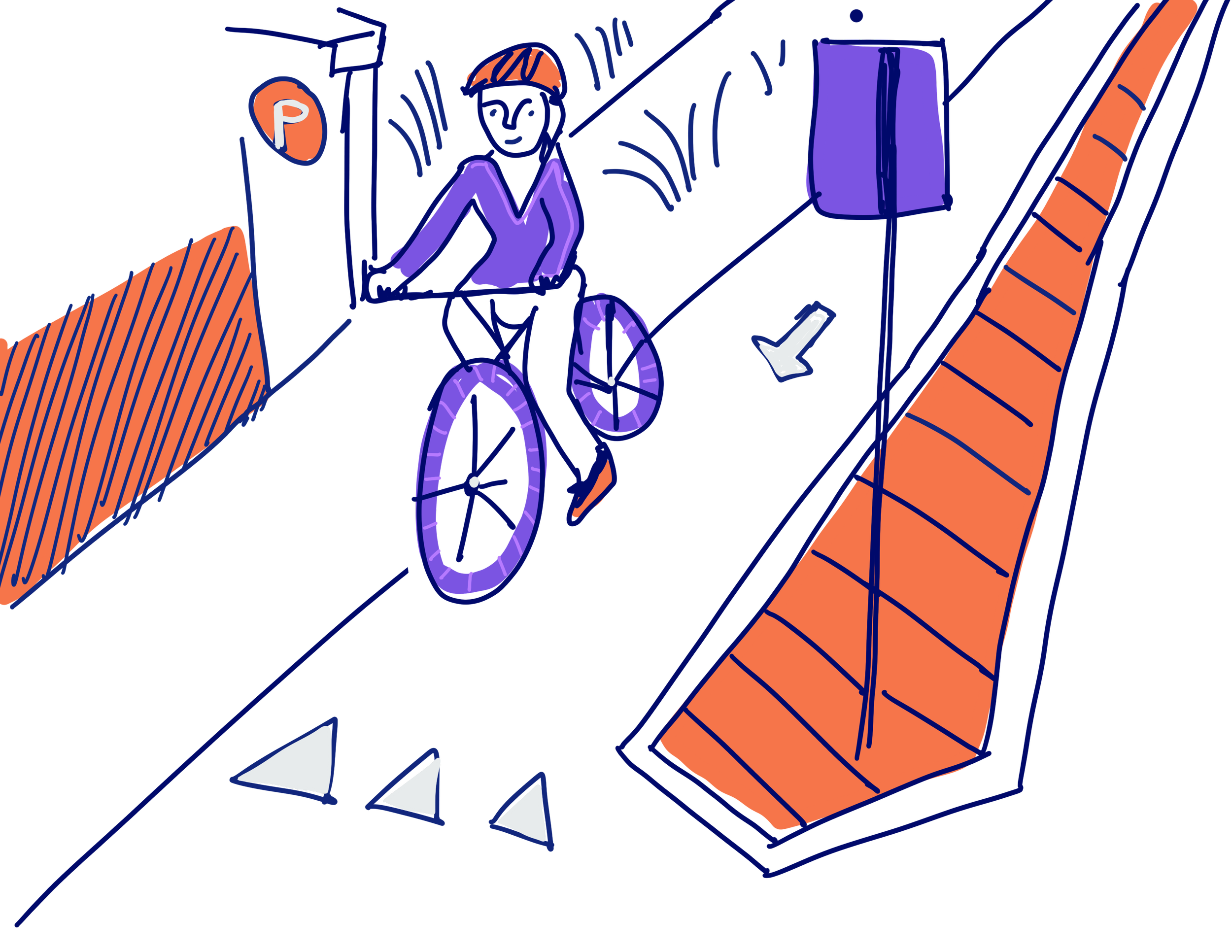
Most US cities still lack connected and protected bike lanes needed to make e-bikes a reliable alternative to daily car trips. Secure parking is also a necessity, especially in cities like New York where a majority of residents live in apartments. Without that infrastructure, ridership growth stalls and the safety risks riders face only increase.
NMC calls on policymakers to treat micromobility infrastructure as core transportation infrastructure—not an afterthought—with dedicated, sustained funding to build it out.
-
Bike lanes that are physically protected from car traffic
Bike lane networks that are comprehensive and connected
Provision of dedicated loading zones and hubs for microfreight
Incentives for building owners and public investment in secure and accessible parking for micromobility vehicles
Dedicated capital funding for micromobility infrastructure in transportation budgets
2. Adopt the three-class bike bill
-
Confusing, inconsistent regulations make it harder for riders, retailers, and cities to support cohesive e-bike uptake. The three-class system offers a clear, proven framework to define and regulate low-speed e-bikes, while providing predictability to micromobility OEMs. Without it, governments are left writing their own patchwork rules, which creates confusion for riders and uncertainty for an industry trying to scale responsibly.
NMC calls on all states to formally adopt the three-class system, ensuring e-bikes are regulated consistently, safely, and in a way that supports continued growth of the industry.
-
Universal adoption of statewide three-class bills as recommended by PeopleForBikes
Consistent labeling requirements for manufacturers and retailers to ensure legal bikes are easy to recognize
3. Aggressively regulate against e-motos and other illegal devices
-
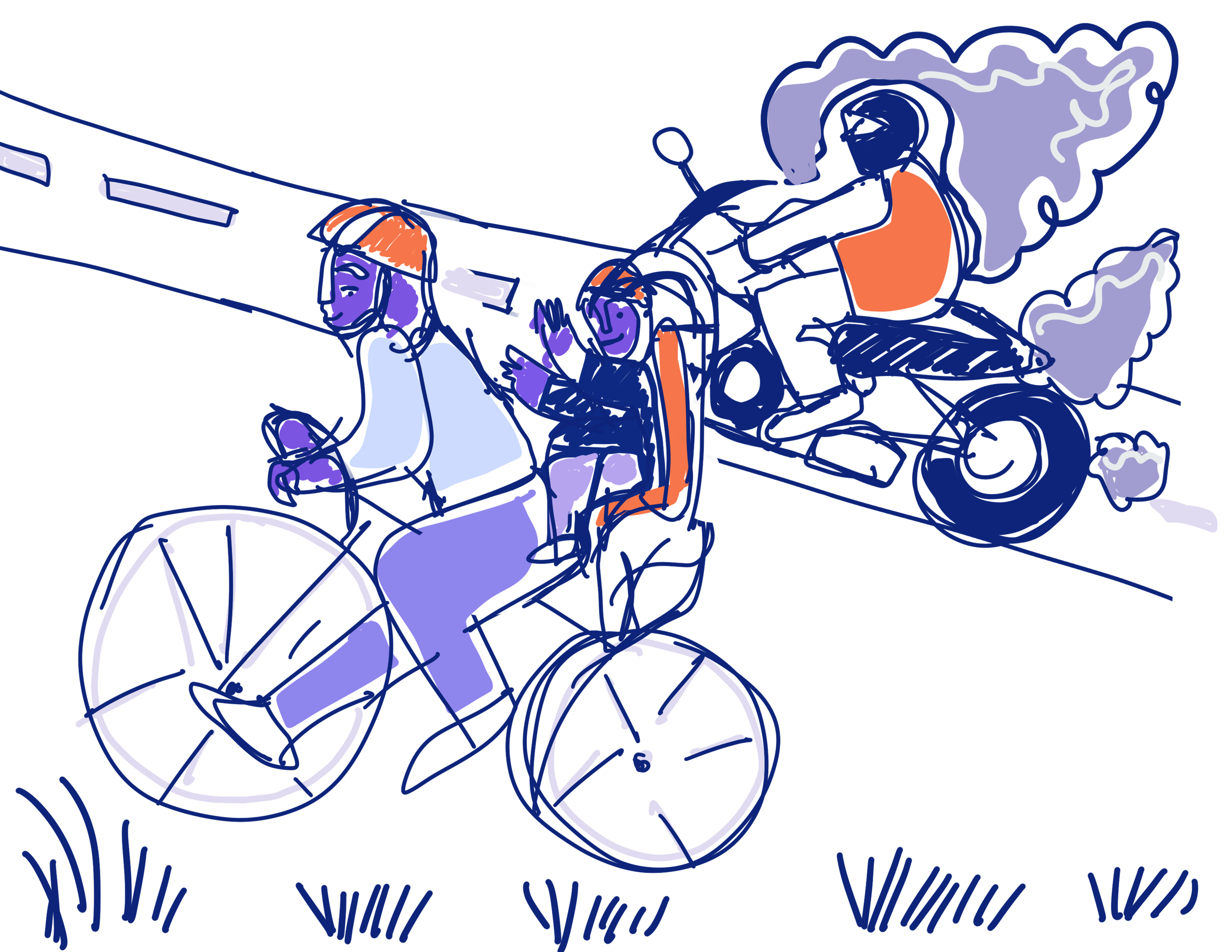
Not everything with two wheels and a battery is an e-bike. The market has been flooded with illegal “e-motos,” falsely marketed as e-bikes but capable of speeds far beyond any e-bike class, putting riders and pedestrians at risk and threatening the public trust that legitimate e-bikes have worked hard to earn.
NMC calls for aggressively enforcing existing vehicle codes, educating the public, and penalizing sellers of illegal e-motos, while making it easy for riders and retailers to understand the difference between a compliant e-bike and an unregistered motor vehicle.
-
Stronger point-of-sale enforcement against e-motos
Crackdowns on non-compliant imports at the border
Clear public education on how to distinguis e-bikes from e-motos
Deployment of roller test benches to help law enforcement identify illegal vehicles
Confiscation of illegal vehicles
4. Pursue incentives to support uptake
-
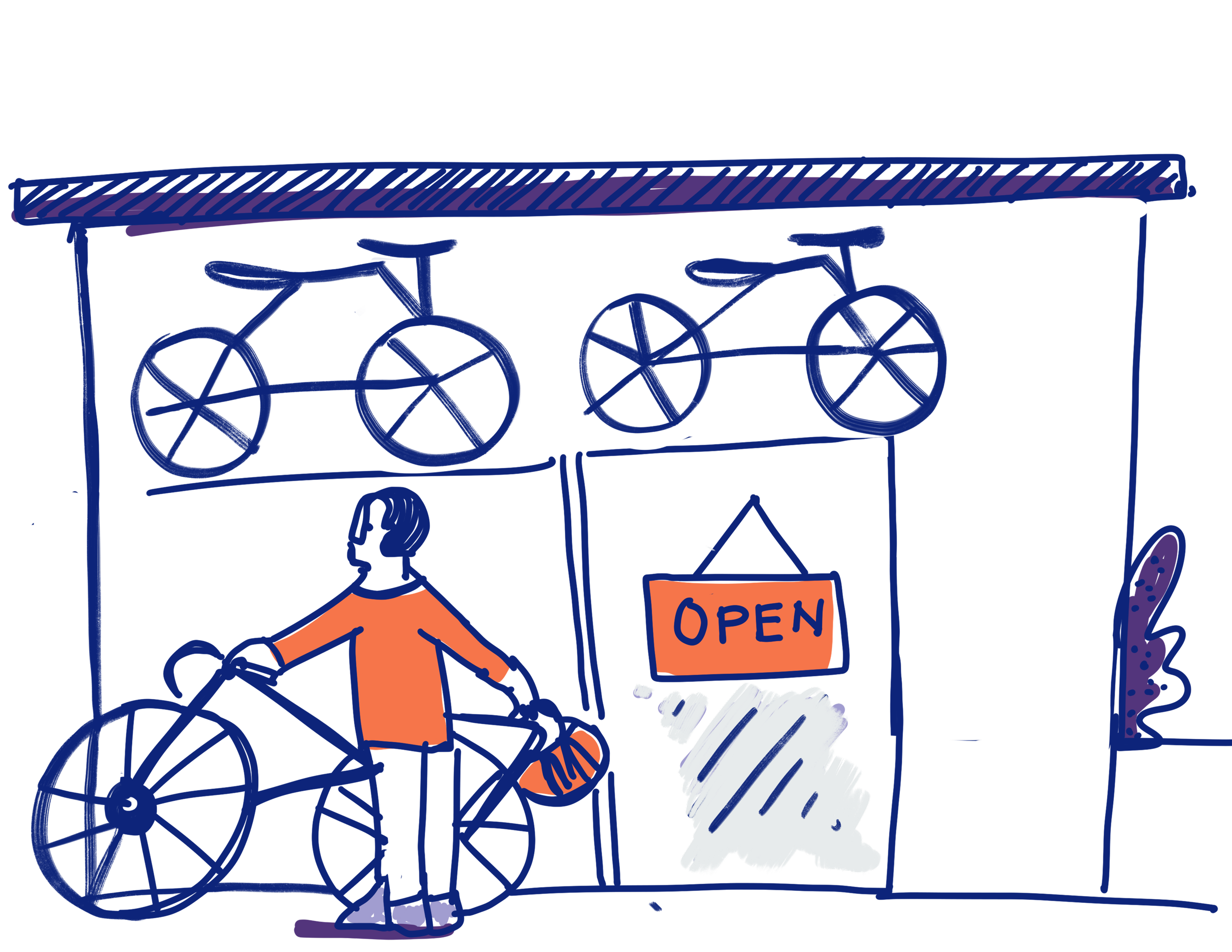
Cost remains a major barrier to using e-bikes and other lightweight electric vehicles, even when the long-term savings are dramatic. Voucher and rebate programs have already proven effective at putting e-bikes within reach of the people who need affordable transportation most, but too few cities and states offer them, and existing programs are often underfunded relative to demand.
NMC advocates for expanding e-bike incentive programs, particularly income-qualified rebates that prioritize the households most burdened by transportation costs.
-
Point-of-sale rebates
Income-qualified voucher programs
Employer or pre-tax commuter benefit expansions that include e-bikes and limited use vehicles (LUVs)
5. Improve education, training & resources
-
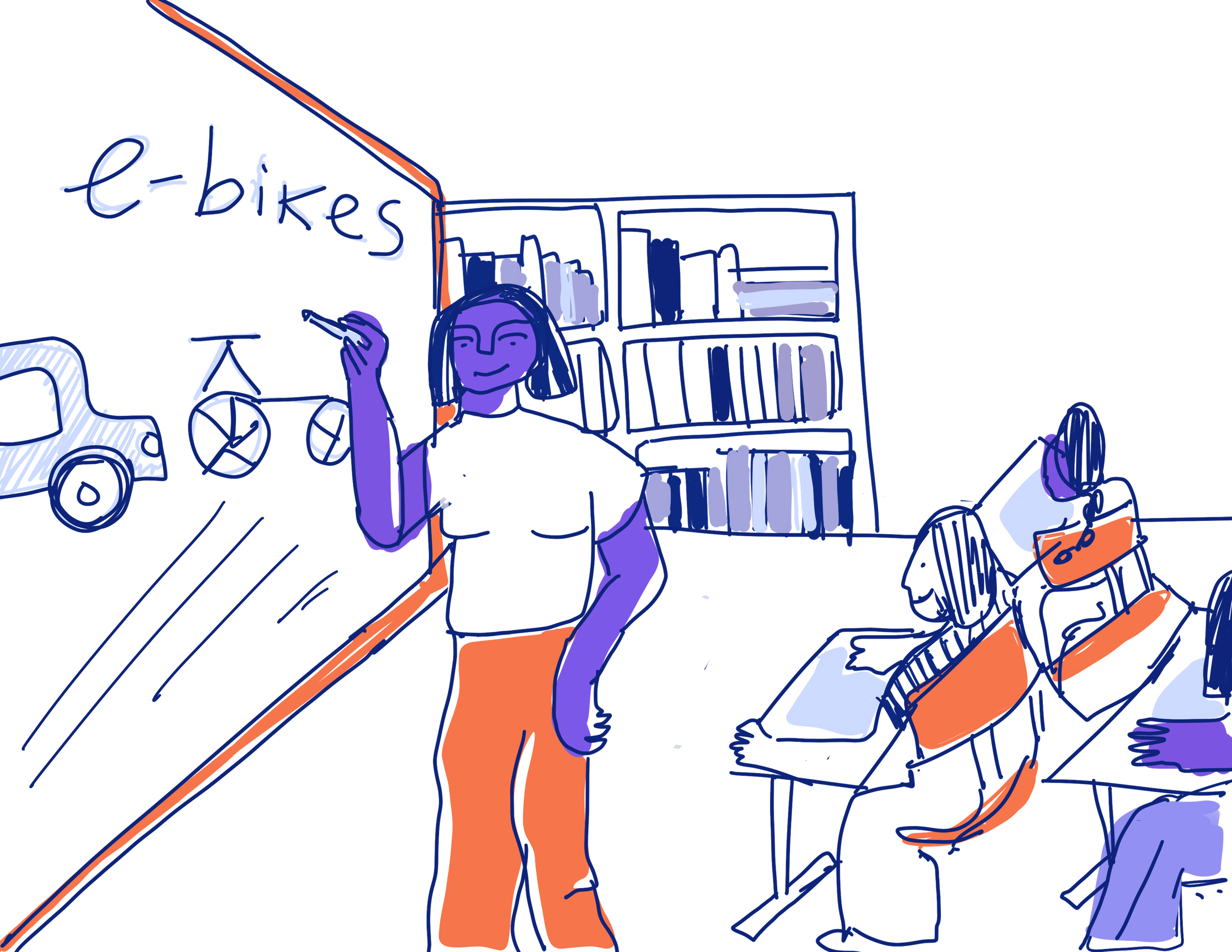
Successful micromobility uptake depends on widespread understanding of laws and awareness of safety best practices. Yet a lack of educational resources, limited safety reporting, and low public understanding of e-bike classes and rules make it harder to build effective policy and encourage safe riding.
Transportation and traffic enforcement agencies need to invest in better data collection and resource training, paired with public education campaigns that help riders, drivers, and pedestrians share the road with confidence.
-
Standardized data collection from law enforcement officers
Rider education campaigns executed at point of sale
Increased driver education addressing how to safely share the road with micromobility users